
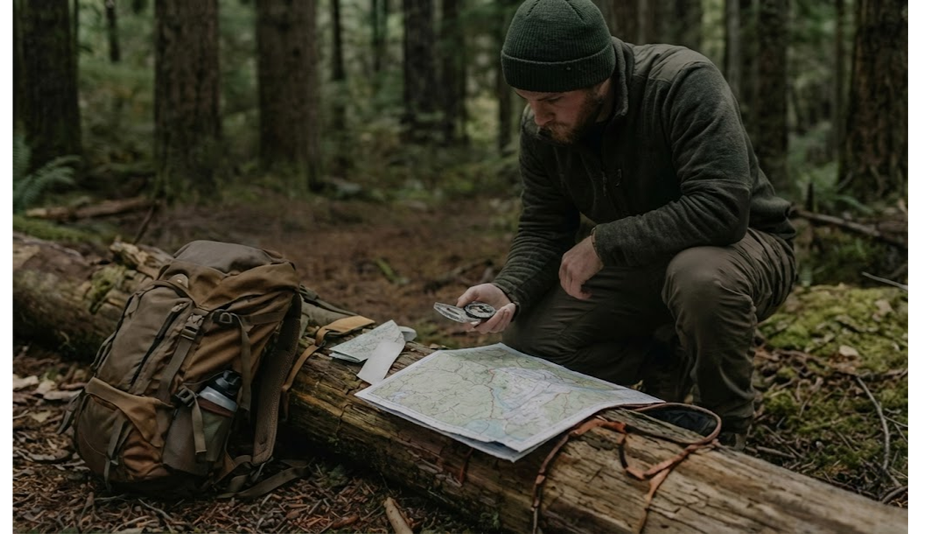
Most guys show up and figure it out as they go. This is for the ones who want to know before they get out there.
Build a rock-solid foundation in gear, mindset, and simple systems.
Get the free “Foundations Field Guide” and join the community.
Your Foundations Field Guide
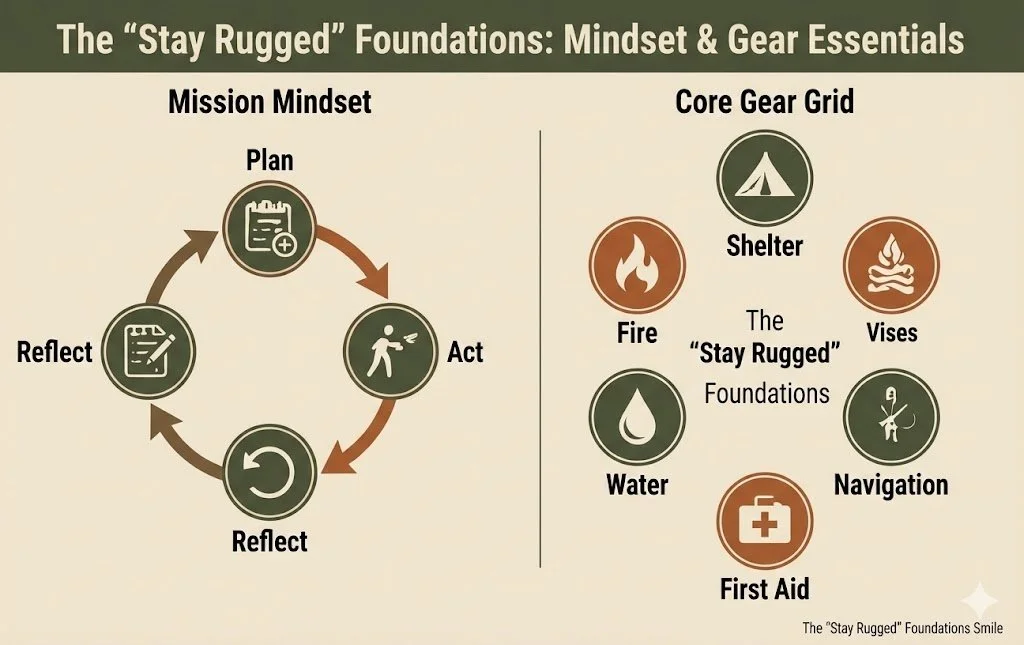
When you get out there, everything changes. This gets you ready for that
Your Mastery Roadmap: 12 Modules to Confidence
Module 1: Welcome to the Camping Wilderness Skills
Module 2: Plan for the Unplanned
Module 3: Leave No Trace Respect
Module 4: Your First Blackwater Trip
Module 5: Gear Up, Crew Essential Kit
Module 6: Navigation Basics: Don't Get Lost
Module 7: Camp Setup – Home in the Wild
Module 8: Water & Food for the Trail
Module 9: Wildlife Awareness & Safety
Module 10: River Etiquette & Basics
Module 11: Weather Wisdom
Module 12: Leaving Camp Better
Grab the guide. It's free.
-
The five basic survival skills are Fire, Shelter, Signaling, Food/Water, and First Aid. Mastery of these creates a safety net: Fire provides warmth and morale; Shelter protects from hypothermia; Signaling aids rescue; Water prevents dehydration; and First Aid manages injury until help arrives.
-
The Rule of 3 helps you prioritize tasks by urgency. You can survive roughly 3 minutes without air, 3 hours without shelter (in harsh conditions), 3 days without water, and 3 weeks without food. Always prioritize immediate threats like cold or bleeding before worrying about food.
-
Start with navigation and temperature control (clothing/shelter). Most wilderness emergencies happen because someone got lost or suffered hypothermia. Learning to read a map and dress in layers prevents the two most common causes of death in the backcountry.
-
Yes. Survival is about staying alive during an unexpected emergency to get rescued. Bushcraft is the art of using natural resources (wood, plants, stone) to live comfortably in the wild long-term. Survival is reactive; bushcraft is proactive.